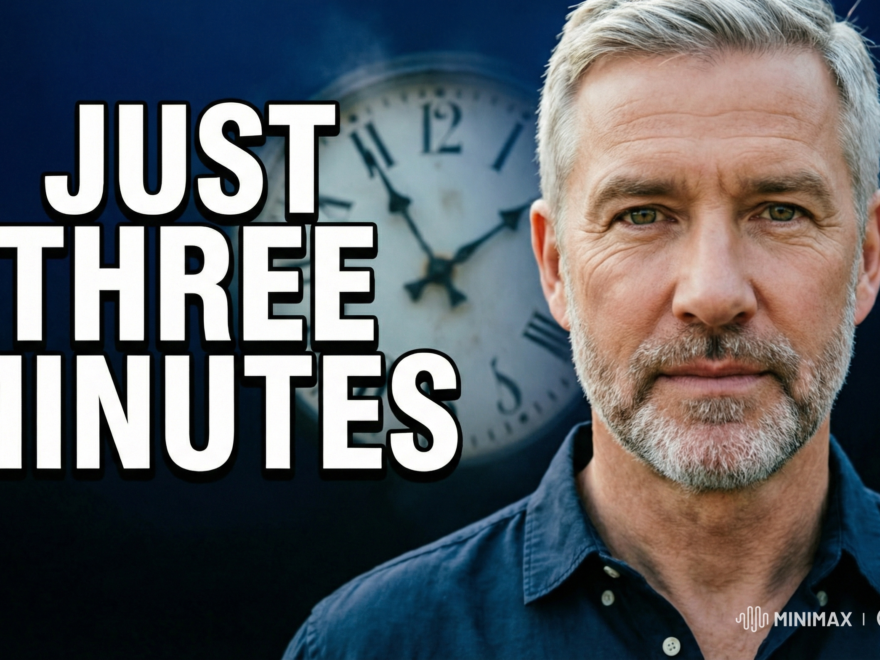
A strange heaviness sat in my chest that Tuesday morning. I told
myself it was nothing. Just stress. Just fatigue. Maybe I had
slept wrong. I had no idea that by half past two that afternoon,
I would be on the floor of my own home, fighting for my next
My name is William. I am fifty years old. I am a heart attack
survivor. For years before that morning, I had been ignoring
every warning sign my body was giving me. Ninety-five kilos.
Then one hundred and fifteen. Then one hundred and thirty. My
trousers kept getting tighter. I would pause on the landing and
pretend to check my phone just to catch my breath before anyone
noticed. I was falling asleep in front of the television every
night by eight, waking up tired, and telling myself there were
always bills to pay, deadlines at work, family needs — real
problems that mattered more than how I felt.
My health? I told myself I would deal with it later.
Later. That single word almost killed me.
That Tuesday started like ten thousand mornings before it. Tea.
Toast with marmalade. The Guardian open on the kitchen table.
Nothing about it felt different at first. But something was
building inside my chest that I had spent years refusing to
listen to. By half past two, sitting at my desk, the pressure
turned into a vice. My right arm went numb. Sweat poured down my
face even though I was sitting perfectly still. Then it hit me —
a pain so sharp and so crushing that I thought something
enormous was standing on my chest. I could not breathe. I could
not speak. I could not move. My knees buckled, and the floor
Lying there, everything I had spent years worrying about
suddenly meant nothing at all. The overtime I had worked. The
mortgage stress I carried. Grudges I had held onto for years
over things that no longer mattered. None of it weighed anything
against the simple, desperate need for one more breath.
I remember sirens. Flashing lights. Voices I did not recognize.
Hands on my chest. Paramedics in green, young faces, calm voices
doing the most urgent work of my life. And through all of it, one
thought cut sharper than the pain itself: I had wasted so much
time. Worrying whether the neighbors thought less of us.
Whether the car was nice enough. Whether I had said the wrong
thing at the pub three years earlier. I had always believed heart
attacks happened to other people — older people, weaker people.
I did not die that day. Somehow, I survived.
When I woke up in the hospital, everything looked different. My
wife's eyes were red from crying. My daughter held my hand like
she was afraid to let go. It was not just the hospital room that
had changed — it was everything. The morning light through the
window. The sound of the tea trolley in the corridor. The simple
act of breathing, which I had taken for granted for fifty years
without ever once noticing it.
The consultant pulled up a chair beside my bed. He told me I was
very fortunate — my heart had stopped for nearly three minutes,
and the paramedics had reached me just in time. He was direct
about what came next. Everything would have to change. What I
ate. How I moved. All of it. But more than the physical changes,
I needed to change how I thought about living at all. Lying
there, staring at the ceiling, I made myself one promise. Not one
What happened in the months after that promise is not the part
people expect. There was no single dramatic turning point. The
first week home, I could not walk to the corner shop without
stopping twice to catch my breath. Six weeks in, the stairs still
left me breathless. But I climbed them anyway. Some mornings I
wanted to throw my trainers out the window rather than put them
on — and some mornings I nearly did. There were days I watched
other men my age enjoying a pint and a curry and felt sorry for
myself. Days I looked at the vegetables I was supposed to eat and
wanted to throw them across the kitchen instead.
But every one of those days, I remembered the floor. I remembered
that moment when I thought I would never see tomorrow. So I took
another walk. Made another healthy meal. Fought for one more day.
The truth about real change that nobody tells you is this — it
is never one big moment. It is a thousand small choices, repeated
on the days you do not want to make them.
Thirty kilograms. That is what I eventually lost. Four and a half
stone, with no magic pills and no secret formula. Just smaller
portions, more walking, sometimes jogging, less television, every
single day, even on the days I did not want to. But the real
change was never about the number on the scale. It was about how
I started seeing my own life. I stopped caring whether my car was
ten years old. I stopped working late for people who never even
noticed. I started noticing when my daughter laughed. I started
actually tasting my food. I started sleeping properly for the
If you are reading this and recognizing even one part of your
own life in it — the breathlessness you call fitness, the
tightness in your chest you call stress, the promise to deal with
it later — I want you to hear this clearly. Later almost never
came for me. The full story of that Tuesday, the hospital, and
everything that came after is in the video below.
I am William. I am fifty years old. I survived a heart attack,
and I lost thirty kilograms rebuilding a life I had nearly let
slip away without noticing. This is 50 & Still Fighting — real
stories about health, marriage, fatherhood, grief, and second
Read more stories on the blog:
https://50andstillfighting.ajjur.com
Watch every story on YouTube:
https://www.youtube.com/@50AndStillFighting
Never too late to rise. 💪